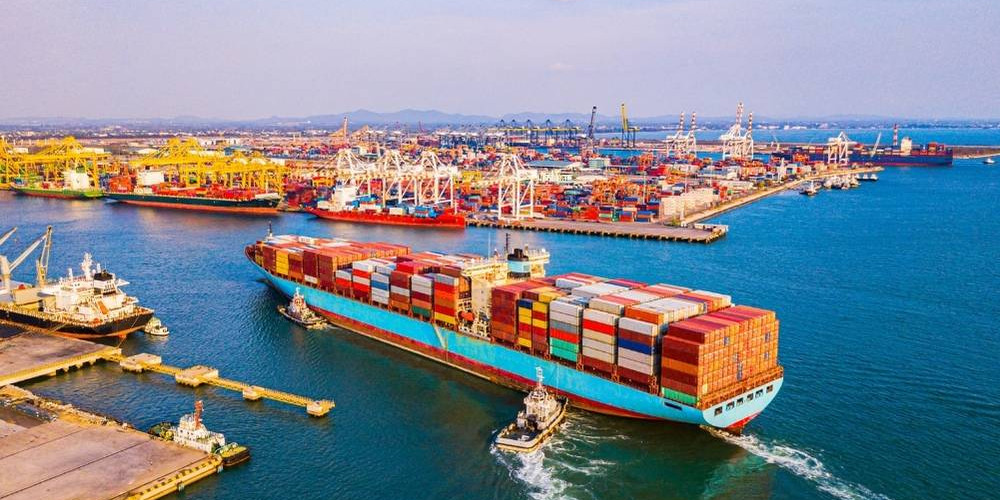
Sustainable expansion requires more than increasing production or entering new markets. Without a structured distribution system, growth often creates instability instead of long-term progress. Planning distribution systems strategically ensures that operational capacity, logistics performance, and customer fulfilment scale in alignment with business objectives.
Distribution planning is not a reactive logistics task — it is a foundational growth strategy.
What Is a Distribution System in Business Operations?
A distribution system is the structured network that moves goods, information, and value from production to end users. It includes:
- Warehousing and storage infrastructure
- Transportation and routing networks
- Inventory management systems
- Supplier coordination
- Fulfilment processes
- Data and performance monitoring tools
When designed intentionally, a distribution system becomes a growth enabler rather than a bottleneck.
1. Aligning Distribution with Expansion Goals
Expansion may involve:
- Entering new geographic markets
- Increasing product lines
- Scaling order volumes
- Diversifying customer segments
Each growth direction places new demands on logistics capacity and coordination.
Planning distribution systems requires forecasting future volume, identifying capacity gaps, and building infrastructure that supports both current and projected demand.
Strategic Principle: Distribution capacity should anticipate growth — not simply respond to it.
2. Designing for Scalability
Sustainable expansion depends on scalable systems. A rigid distribution network struggles when order volumes increase or when market conditions shift.
Scalable distribution planning includes:
- Modular warehouse layouts
- Flexible transport partnerships
- Multi-node fulfilment options
- Cloud-based logistics platforms
- Automation integration
Scalability reduces operational stress during growth phases and ensures performance consistency.
3. Balancing Efficiency and Resilience
Cost efficiency is important, but over-optimised distribution systems can become fragile. Sustainable expansion requires balance.
Effective planning considers:
- Supplier diversification
- Alternative routing strategies
- Inventory buffering models
- Regional fulfilment hubs
A resilient distribution structure absorbs disruptions without destabilising operations.
4. Leveraging Data-Driven Forecasting
Modern distribution planning relies on predictive analytics rather than historical averages alone.
Key tools include:
- Demand forecasting software
- Sales trend modelling
- Inventory turnover analysis
- Performance dashboards
Data-informed planning improves stock positioning, reduces overextension, and strengthens long-term operational consistency.
Businesses that integrate digital forecasting into distribution planning typically experience fewer stockouts and smoother scaling.
5. Optimising Geographic Network Design
As organisations expand into new markets, geographic distribution planning becomes critical.
Strategic considerations include:
- Proximity to customer clusters
- Transportation infrastructure quality
- Regional regulations
- Import/export logistics
- Delivery speed expectations
Well-planned regional hubs reduce shipping time, lower transportation costs, and improve service reliability.
6. Integrating Technology Across the Network
Technology enables coordination across complex distribution ecosystems.
Common integrations include:
- ERP systems for financial alignment
- Warehouse Management Systems (WMS)
- Transportation Management Systems (TMS)
- Inventory tracking software
- Real-time reporting dashboards
Digital integration ensures transparency, accountability, and improved cross-department collaboration.
Sustainable expansion requires distribution systems that communicate across all operational layers.
7. Managing Capital Allocation Strategically
Distribution expansion often requires investment in:
- Infrastructure
- Automation equipment
- Fleet expansion
- Technology upgrades
Planning should prioritise long-term return on investment, not just immediate operational relief.
A phased capital allocation model supports sustainable expansion while preserving financial stability.
8. Strengthening Cross-Functional Coordination
Distribution planning affects multiple departments:
- Finance (cash flow management)
- Sales (delivery commitments)
- Procurement (supplier alignment)
- Operations (capacity management)
Coordinated planning reduces internal misalignment and enhances strategic consistency.
Sustainable expansion is achieved when distribution systems operate as part of an integrated business framework.
Strategic Takeaway
Planning distribution systems for sustainable expansion requires foresight, flexibility, and integration.
Organisations that prioritise:
- Scalability
- Data-driven forecasting
- Network resilience
- Technological integration
- Strategic capital allocation
create operational foundations that support long-term growth rather than short-term spikes.
Distribution is not merely an operational function — it is a structural pillar of sustainable business expansion.