The Evolution of Appliance Life Cycles
For decades, the home appliance industry operated on a relatively simple, linear model: manufacture, distribute, sell, and replace. When a washing machine or refrigerator reached the end of its life, it was largely considered the consumer’s problem. However, the landscape of global distribution is shifting. Today, appliance recycling is no longer just an environmental footnote; it has become a central pillar of strategic supply chain management.
At Anfel, we focus on the strategic distribution and supply solutions that keep markets moving. As we look at the evolving market conditions, it is clear that integrating recycling into the supply chain isn’t just about ‘doing good’—it’s about operational stability, resource security, and meeting the practical demands of a modern economy.
Why Recycling is Moving Up the Priority List
Several factors have converged to make appliance recycling a top-tier priority for distributors and manufacturers alike. If you are managing a supply chain today, these three drivers are likely already affecting your bottom line:
1. Rising Regulatory Pressures
Governments worldwide are introducing stricter ‘Producer Responsibility’ laws. These regulations require companies to take responsibility for their products at the end of their life cycles. For distributors, this means that having a plan for recovery and recycling is no longer optional—it is a compliance requirement that avoids heavy fines and operational disruptions.
2. Resource Scarcity and Material Recovery
The raw materials required to build modern appliances—steel, copper, aluminum, and rare earth minerals—are becoming more expensive and harder to source. By treating old appliances as ‘urban mines,’ supply chains can recover valuable materials, reducing reliance on volatile primary commodity markets and creating a more predictable flow of components.
3. The Shift in Consumer Expectations
Modern consumers are increasingly looking for brands and distributors that offer end-to-end solutions. A customer is far more likely to purchase a new refrigerator from a provider that offers to take away and responsibly recycle the old one. This service-oriented approach builds long-term loyalty and differentiates a business in a crowded marketplace.
Practical Steps to Integrate Recycling into Your Supply Chain
Transitioning to a circular model might seem daunting, but it can be managed through incremental, practical changes. Here is how modern supply chains are successfully integrating recycling into their daily operations:
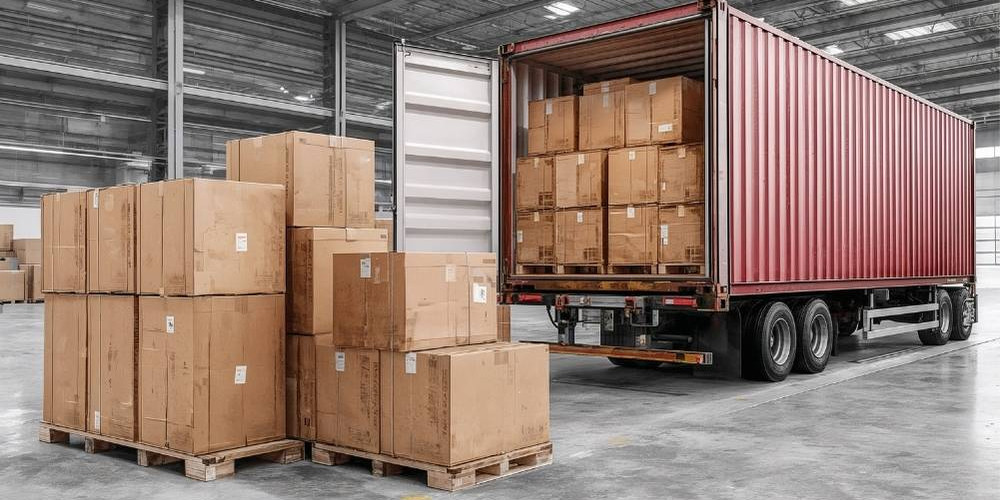
- Optimize Reverse Logistics: Your delivery trucks shouldn’t return to the warehouse empty. By coordinating the pickup of old units during the delivery of new ones, you maximize fuel efficiency and reduce the carbon footprint of your logistics network.
- Partner with Specialized Recyclers: You don’t need to build a recycling plant yourself. The key is to establish strategic partnerships with certified e-waste processors who can provide documented proof of responsible disposal and material recovery.
- Implement Data Tracking: Use your distribution management software to track the life cycle of the units you move. Knowing when a batch of appliances is likely to reach its end-of-life allows you to forecast the volume of incoming recycled material.
- Design for Disassembly: While this starts at the manufacturing level, distributors can provide feedback to manufacturers about which components are hardest to process, influencing future designs that are easier to recycle.
The Operational Benefits of a Recycling-First Approach
When you prioritize recycling, the benefits ripple through the entire distribution network. It isn’t just a cost center; it’s a strategy for long-term stability. One of the primary advantages is the reduction in waste disposal fees. Landfill costs are rising, and by diverting appliances toward recycling streams, companies can significantly lower their overhead.
Improving Operational Stability
As we discussed in our recent post on coordinated distribution, stability is the goal of any supply chain. A robust recycling program creates a ‘closed-loop’ system. This loop provides a secondary source of materials and parts, which can be a lifesaver during global supply chain disruptions when new parts are stuck in transit or stalled by geopolitical issues.
Strengthening Brand Reputation
In a practical sense, being a leader in appliance recycling makes your business a more attractive partner for retailers and corporate clients who have their own ESG (Environmental, Social, and Governance) targets to hit. You become a solution provider, not just a middleman in the shipping process.
Building a Sustainable Future for Distribution
The move toward appliance recycling is a reflection of a maturing industry. We are moving away from the ‘disposable’ mindset and toward a model that respects the value of the materials we move every day. For the modern supply chain manager, the goal is to create a system that is as efficient at bringing products back as it is at sending them out.
By embracing reverse logistics, staying ahead of regulations, and listening to the needs of the consumer, distribution networks can ensure they remain resilient. Recycling is no longer an afterthought—it is the foundation of a sustainable, profitable, and stable future for the home appliance industry.